

Health News & Info — Bloating


Give your Gut the Gift of Fibre
Many people notice that digestion can feel different when routines change. Meals may become heavier, eating times less regular, and fibre intake less consistent than usual. When this happens, bloating, gas or general digestive discomfort may become more noticeable, even in people who usually tolerate fibre well. It is often these small shifts, rather than one single food or meal, that make digestion feel unsettled. How fibre intake changes when routines change When daily routines are disrupted, fibre intake is often one of the first things to change. Meals may become heavier and portions larger, while fibre-rich foods appear less often...


Bloating During the Festive Season? Why It Happens and Simple Relief Tips
December usually means a busier social calendar and slightly heavier eating. More dinners out and early festive gatherings often lead to richer foods and extra snacking. These changes feel small, but they can place extra pressure on digestion. It’s one reason holiday bloating becomes more common at this time of year, even before the main festive meals arrive. Irregular eating patterns, larger portions, extra drinks, and a little more stress than normal all play a part. If you’ve noticed that your stomach feels tight, gassy, or uncomfortable after meals in December, you’re not alone. Understanding why bloating happens can make it...


How To Reduce Bloating and Water Retention
Bloating and water retention is usually completely normal and something that 16-30% of us experience regularly. The causes are usually lifestyle related issues such as poor sleep, poor diet, lack of exercise, stress and in women, hormonal changes. There are certain measures we can take to prevent bloating and reduce the frequency of flare ups which can often be uncomfortable and painful, including: Eating slowly, which helps to reduce the amount of air we consume while we eat. Eating regular meals, for example, eating three balanced meals per day. Avoiding large meals and overeating. Avoid chewing gum and fizzy drinks....

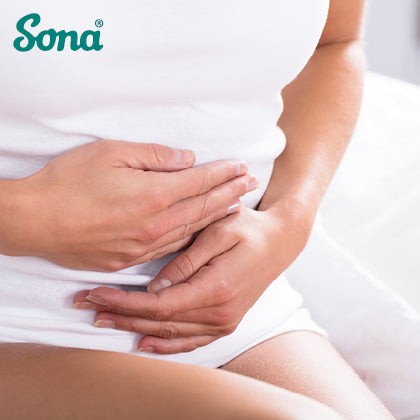
What Exactly Is A Food Intolerance And How Do I Treat It?
Food intolerances occur when the body has difficulty digesting certain foods. While there is currently no cure for food intolerances, making certain alterations to your diet can help relieve symptoms. In this article you can find: What is a food intolerance? What are the signs and symptoms of a food intolerance? How do you diagnose and treat a food intolerance? What is a food intolerance? A food intolerance refers to the body’s difficulty in digesting a food which can cause unpleasant physical reactions. This impairment may be due to a lack of digestive enzymes or a sensitivity to certain chemicals. Some...